
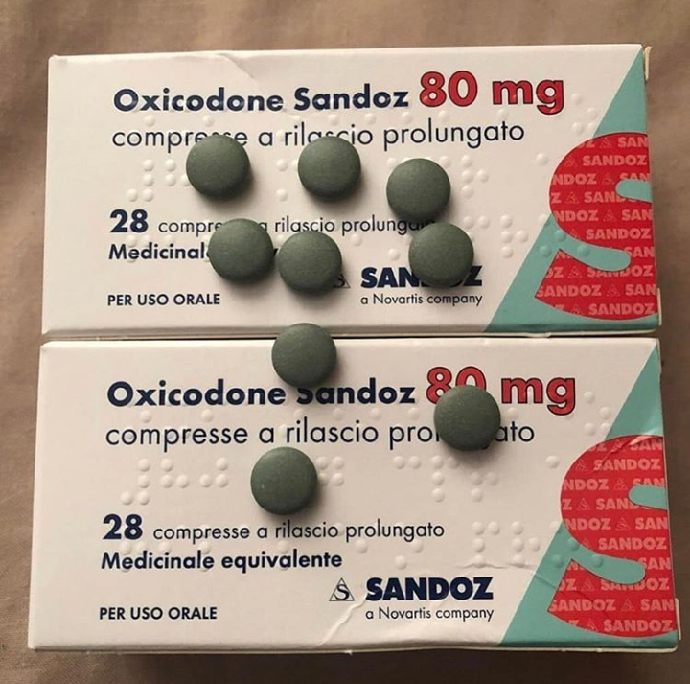
buying oxycodone online


Price range: $400.00 through $720.00
Experience fast and reliable relief with Oxycodone 80mg Sandoz, available to buy online without a prescription. This potent medication is here to help you manage moderate to severe pain effectively. Our commitment to quality ensures you receive pure, FDA-approved medication, shipped discreetly and rapidly worldwide. Don’t let pain hold you back; order your Oxycodone 80mg Sandoz today for swift and secure delivery.
Responsible Pain Management – Understanding Opioids, Safety, and Alternatives
Responsible pain management requires a comprehensive, patient-centered approach that balances effective relief with safety. In fact, healthcare providers follow strict guidelines when prescribing pain medications. Furthermore, understanding the role of opioids, the importance of physician supervision, and available alternatives empowers patients to make informed decisions. Consequently, this guide provides essential education for patients and caregivers navigating pain treatment options.
Overview of Responsible Pain Management
Pain management involves a multidisciplinary approach tailored to each patient’s needs. For that reason, healthcare providers assess pain type, severity, and underlying causes. Moreover, they develop personalized treatment plans that may include medications, physical therapy, psychological support, and interventional procedures. Additionally, regular reassessment ensures treatment remains appropriate and effective.
- Comprehensive Assessment: Providers evaluate pain history, medical conditions, and treatment goals.
- Multimodal Approach: Combining different therapies often yields the best outcomes.
- Patient Engagement: Active patient participation improves treatment success.
- Ongoing Monitoring: Regular follow-up ensures safety and effectiveness.
The Role of Opioids in Treating Severe Pain
Opioids play a legitimate role in managing severe, acute pain and certain chronic pain conditions. Typically, clinicians prescribe them for cancer pain, post-surgical pain, and severe trauma. For best results, they use the lowest effective dose for the shortest necessary duration. Notably, opioids are not the first-line treatment for most chronic pain conditions. As a result, careful patient selection and monitoring are essential. Nevertheless, when used appropriately, opioids can significantly improve quality of life for patients with severe pain.
- Physicians assess pain severity and treatment history before prescribing opioids.
- Patients receive a detailed treatment plan with clear instructions.
- Regular monitoring evaluates effectiveness and side effects.
- Clinicians adjust or discontinue treatment based on patient response.
Importance of Physician Supervision
Physician supervision is critical for safe and effective pain management. For this reason, patients should never start, stop, or adjust opioid doses without consulting their healthcare provider. Additionally, regular follow-up appointments allow physicians to monitor for side effects, assess pain control, and adjust treatment as needed. Furthermore, physicians help patients transition to non-opioid alternatives when appropriate. Consequently, the patient-provider partnership is essential for successful outcomes.
- Schedule regular follow-up appointments for medication review.
- Report any concerning side effects or changes in pain levels immediately.
- Do not share medications with others.
- Bring all medications to appointments for medication review.
Non-Opioid Pain Management Alternatives
Many effective non-opioid treatments are available for pain management. In addition, these alternatives often provide relief with fewer risks. Likewise, combining multiple approaches typically yields the best results. Furthermore, healthcare providers frequently recommend these options as first-line treatments. Consequently, patients have many safe and effective choices.
- Non-Opioid Medications: NSAIDs, acetaminophen, gabapentinoids, antidepressants, and anticonvulsants.
- Physical Therapy: Exercise, stretching, and strengthening programs.
- Interventional Procedures: Nerve blocks, steroid injections, and radiofrequency ablation.
- Psychological Support: Cognitive-behavioral therapy, mindfulness, and biofeedback.
- Complementary Therapies: Acupuncture, massage, and chiropractic care.
Understanding Opioid Risks and Side Effects
Understanding opioid risks is essential for safe medication use. Typically, common side effects include constipation, nausea, and drowsiness. More seriously, respiratory depression, dependence, and addiction are significant risks. Furthermore, combining opioids with alcohol or other sedatives increases these risks. As a result, patients must follow prescribing instructions carefully and communicate any concerns to their healthcare provider.
- Common Side Effects: Constipation, nausea, drowsiness, dizziness, dry mouth.
- Serious Risks: Respiratory depression, overdose, dependence, addiction.
- Drug Interactions: Alcohol, benzodiazepines, other CNS depressants.
Signs of Opioid Misuse and Addiction
Recognizing signs of opioid misuse is important for early intervention. For this reason, patients, families, and caregivers should be aware of warning signs. Additionally, seeking help early can prevent serious consequences. Furthermore, healthcare providers can provide resources and support. Consequently, education and awareness are key to prevention.
- Taking medication more frequently than prescribed.
- Requesting early refills or multiple prescriptions.
- Changes in mood, sleep patterns, or behavior.
- Neglecting responsibilities or social withdrawal.
- Continuing use despite negative consequences.
Safe Medication Storage and Disposal
Proper storage and disposal of medications prevent misuse and environmental harm. For that reason, patients should store opioids securely, out of reach of children. Additionally, unused medications should be disposed of through FDA-approved take-back programs. Furthermore, never flush medications down the toilet or throw them in the trash. Consequently, proper disposal protects families and communities.
- Store medications in a secure, locked location.
- Use drug take-back programs for disposal.
- Check with pharmacies for disposal options.
- Do not share medications with others.
📞 Resources for Help and Support
If you or someone you know is struggling with substance use, help is available:
- SAMHSA National Helpline: 1-800-662-HELP (4357) – Free, confidential, 24/7 support.
- National Institute on Drug Abuse: drugabuse.gov – Education and research resources.
- American Society of Addiction Medicine: asam.org – Find addiction specialists.
- Narcotics Anonymous: na.org – Support groups and meetings.
Frequently Asked Questions
What is the first step in responsible pain management?
Consult a healthcare professional for a comprehensive evaluation. However, proper diagnosis is essential before starting any treatment.
Are non-opioid treatments effective for severe pain?
Yes, many patients find relief through multimodal approaches. Indeed, combining treatments often yields better outcomes than using opioids alone.
How can I safely store my pain medications?
Store medications in a secure location, out of reach of children. For instance, use a locked cabinet or medication safe.
What should I do if I miss a dose of my pain medication?
Follow your healthcare provider’s instructions. Therefore, contact your provider or pharmacist for guidance.
Responsible pain management requires education, communication, and careful monitoring. Patients and healthcare providers working together can achieve effective pain relief while minimizing risks. Moreover, exploring non-opioid alternatives and understanding safety practices empower patients to make informed decisions. Thus, comprehensive pain management improves quality of life while promoting safety.
Creating a Pain Management Plan
A comprehensive pain management plan includes assessment, treatment, and follow-up. Specifically, patients should work closely with their healthcare team. For many, collaboration leads to better outcomes.
Key Components of Safe Pain Management
- Regular communication with healthcare providers.
- Understanding medication risks and benefits.
- Exploring non-drug therapies.
- Monitoring for side effects and treatment response.
When to Seek Help
Patients should seek help if pain worsens, side effects become bothersome, or they notice signs of dependency. However, early intervention prevents complications. Furthermore, support resources are available for those who need them.
Building a Support Network
Support from family, friends, and healthcare providers is valuable. Nevertheless, professional help is available through counseling and support groups. Importantly, no one should face pain management challenges alone. Additionally, community resources can provide additional support.
| Select Quantity | 240 Pills, 120 Pills, 90 Pills, 60 Pills |
|---|




Reviews
There are no reviews yet.