

Psilocybin Research – Clinical Trials and Mental Health Treatment Innovations
Psilocybin research has gained significant attention in recent years for its potential to treat mental health conditions. In fact, the FDA has granted psilocybin breakthrough therapy designation for treatment-resistant depression. Furthermore, ongoing clinical trials are exploring psilocybin-assisted therapy for various psychiatric disorders. Consequently, this guide provides an educational overview of current research, clinical applications, and treatment innovations.
Overview of Ongoing Clinical Research
Psilocybin research involves rigorous clinical trials at major academic institutions and research centers. For that reason, studies follow strict protocols to ensure safety and scientific validity. Moreover, researchers are investigating psilocybin for treatment-resistant depression, anxiety, PTSD, and substance use disorders. Additionally, studies include carefully controlled conditions with trained therapists. Consequently, the evidence base for psilocybin-assisted therapy continues to grow.
- Major Research Sites: Johns Hopkins University, NYU, Yale, UCLA, and Imperial College London.
- Study Designs: Double-blind, randomized controlled trials with active placebos.
- Patient Populations: Treatment-resistant depression, end-of-life anxiety, PTSD, and addiction.
- Treatment Protocols: 2-3 dosing sessions with preparatory and integration therapy.
FDA Breakthrough Therapy Designation
FDA Breakthrough Therapy Designation: Psilocybin received this designation for treatment-resistant depression in 2018 and 2019. This designation expedites the development and review of promising new treatments.
The FDA’s breakthrough therapy designation accelerates the development of drugs that show substantial improvement over existing treatments. Typically, this designation applies to therapies with early clinical evidence of significant benefit. For best results, researchers conduct large-scale clinical trials to confirm efficacy and safety. Notably, psilocybin’s designation reflects its potential to address unmet medical needs. As a result, this has spurred investment and research in the field. Nevertheless, further research is needed before widespread clinical use.
Current Research on Mental Health Conditions
Psilocybin research is exploring multiple mental health applications. In addition, studies focus on conditions that are often treatment-resistant. Likewise, researchers are investigating the mechanisms underlying therapeutic effects. Furthermore, the integration of psilocybin with psychotherapy is a key focus. Consequently, this research could transform mental health treatment paradigms.
- Treatment-Resistant Depression: Multiple studies show significant and sustained reduction in depressive symptoms.
- End-of-Life Anxiety: Research demonstrates reduced anxiety and depression in patients with life-threatening diagnoses.
- PTSD: Preliminary studies suggest psilocybin-assisted therapy may reduce PTSD symptoms.
- Substance Use Disorders: Research explores psilocybin for alcohol use disorder and nicotine addiction.
Clinical Trial Participation Information
Clinical trial participation is an important part of advancing psilocybin research. For this reason, individuals interested in participating should understand the requirements and process. Additionally, participants must meet specific inclusion criteria and undergo thorough screening. Furthermore, participation involves multiple visits and careful monitoring. Consequently, it is essential to consult with healthcare providers before considering participation.
- Consult your healthcare provider to discuss whether clinical trial participation is appropriate.
- Search clinicaltrials.gov for psilocybin studies and review eligibility criteria.
- Contact the research site directly for screening and enrollment information.
- Attend all required visits and follow the research protocol as directed.
New Approaches to Treatment-Resistant Depression
Treatment-resistant depression affects millions of Americans who do not respond to standard therapies. For that reason, innovative approaches are urgently needed. Additionally, psilocybin-assisted therapy represents a novel approach with promising results. Furthermore, the combination of pharmacological and psychotherapeutic elements is unique. Consequently, this approach may offer new hope for patients.
- Psychedelic-Assisted Therapy: Integrates medication with psychological support.
- Neuroplasticity: Research suggests psilocybin may promote neural plasticity and new brain connections.
- Long-Term Effects: Studies show sustained improvements after limited dosing sessions.
- Integration Therapy: Follow-up sessions help patients incorporate insights into daily life.
Evidence-Based Treatment Developments
Psilocybin research contributes to evidence-based treatment developments. In addition, findings from clinical trials inform clinical practice guidelines. Likewise, the evidence base continues to expand as more studies are completed. Furthermore, researchers publish results in peer-reviewed journals. Consequently, mental health professionals stay updated on emerging evidence.
- Clinical Guidelines: Professional organizations are developing guidance for psychedelic-assisted therapy.
- Training Programs: Training and certification programs are emerging for therapists.
- Regulatory Pathways: FDA is establishing frameworks for approval and oversight.
- Integration with Existing Care: Research explores how to integrate psilocybin therapy into existing mental health care.
📞 Resources for Mental Health Support
If you or someone you know is struggling with mental health, help is available:
- SAMHSA National Helpline: 1-800-662-HELP (4357) – Free, confidential, 24/7 support.
- National Institute of Mental Health: nimh.nih.gov – Research and education resources.
- Crisis Text Line: Text HOME to 741741 – Free, 24/7 crisis support.
- National Suicide Prevention Lifeline: 988 – Free, confidential crisis support.
- National Alliance on Mental Illness (NAMI): nami.org – Support and advocacy.
Frequently Asked Questions About Psilocybin Research
What is the current status of psilocybin clinical research?
Clinical trials are ongoing at major academic institutions. However, more research is needed before psilocybin becomes an approved treatment. Still, early results are promising for treatment-resistant depression.
What is FDA breakthrough therapy designation?
This designation expedites the development of drugs that show substantial improvement over existing treatments. Indeed, psilocybin received this designation for treatment-resistant depression.
Can psilocybin be legally used for mental health treatment?
Psilocybin is currently only legally available in controlled clinical trials. Therefore, it is not yet approved for clinical use outside of research settings.
How can I find more information about psilocybin research?
Visit clinicaltrials.gov for information about ongoing studies. Additionally, major research institutions publish updates on their websites.
Psilocybin research represents a promising area of mental health treatment innovation. Through rigorous clinical trials, researchers are advancing our understanding of potential therapeutic applications. Moreover, evidence-based approaches and careful regulatory oversight ensure patient safety. Thus, this guide serves as an educational resource for those interested in emerging mental health treatments.
Understanding the Science of Psilocybin
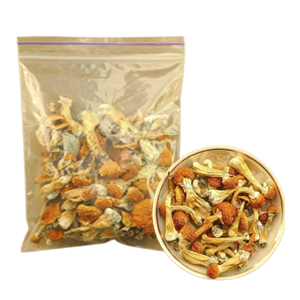
Psilocybin is a naturally occurring compound found in certain mushrooms. Specifically, research explores its effects on brain function and mental health. For many, understanding the underlying mechanisms is essential for clinical applications.
Clinical Research and FDA Designations
- FDA breakthrough therapy designation for treatment-resistant depression.
- Clinical trials at major research institutions nationwide.
- Strict protocols ensure safety and scientific validity.
- Evidence base continues to grow with ongoing studies.
Future Directions in Mental Health Treatment
Research is exploring psilocybin-assisted therapy for various conditions. However,
clinical trials are still in early phases. Furthermore, researchers are developing integration protocols. If results continue to be positive, psilocybin may become an important treatment option.
Resources for Mental Health Support
Mental health support is available for those in need. Nevertheless, it’s important to use evidence-based treatments. Importantly, professional help is essential for mental health conditions. Additionally, many resources are available for support and information.





Reviews
There are no reviews yet.