Diazepam 10mg: Your Complete Guide to Safe and Effective Use
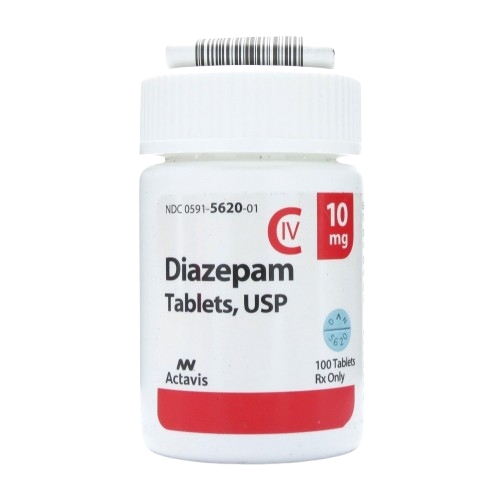
If you have been prescribed Diazepam 10mg, you are taking an important step toward managing anxiety, muscle spasms, or other conditions. This trusted benzodiazepine has been used for decades to provide reliable relief. Consequently, Diazepam 10mg remains a widely prescribed medication across the United States. Furthermore, understanding proper usage and safety is essential for achieving the best outcomes.
What Is Diazepam 10mg?
Diazepam 10mg belongs to a class of medications called benzodiazepines. It works by enhancing the activity of GABA, a neurotransmitter in the brain. This helps calm the central nervous system and reduces excessive nerve activity. Specifically, Diazepam 10mg is prescribed for anxiety disorders, muscle spasms, alcohol withdrawal, and certain seizure conditions. Moreover, it can be used as a pre-surgical sedative. Therefore, this medication offers versatile relief for many patients.
Who Can Benefit from Diazepam 10mg?
Diazepam 10mg is suitable for adults who experience significant symptoms in several areas. Ideal candidates include those with:
- Generalized anxiety disorder (GAD)
- Muscle spasms or spasticity from conditions like cerebral palsy
- Alcohol withdrawal symptoms
- Seizure disorders including status epilepticus
- Preoperative anxiety and sedation needs
Additionally, doctors may prescribe Diazepam 10mg for other conditions. However, always follow your healthcare provider’s guidance for your specific situation.
How to Take Diazepam 10mg Safely
Taking Diazepam 10mg correctly is essential for both effectiveness and safety. Here are the key guidelines to follow:
- Follow your prescription exactly: Take Diazepam 10mg exactly as directed. Do not increase your dose without consulting your doctor.
- Timing: For anxiety, take it as scheduled. For sleep, take it before bedtime. For muscle spasms, take it as directed throughout the day.
- Swallow whole: Take the tablet with water. Do not crush or chew it unless your pharmacist advises otherwise.
- Avoid alcohol: Alcohol can increase the sedative effects of Diazepam 10mg and cause serious side effects.
Potential Side Effects of Diazepam 10mg
Like all medications, Diazepam 10mg may cause side effects. Common ones include:
- Drowsiness: This is the most common side effect. Avoid driving or operating heavy machinery until you know how the medication affects you.
- Dizziness: Stand up slowly to avoid lightheadedness.
- Weakness or fatigue: These symptoms often improve as your body adjusts.
- Dry mouth: Stay hydrated and suck on sugar-free candy if needed.
Serious side effects are rare but require immediate medical attention. These include severe drowsiness, confusion, or difficulty breathing. Therefore, be aware of these risks and contact your doctor if you experience concerning symptoms.
Important Safety Considerations for Diazepam 10mg
Diazepam 10mg is a controlled substance due to its potential for dependence and abuse. Consequently, it is essential to use it only as prescribed and never share it with others. Additionally, inform your doctor about all medications you are taking, as Diazepam 10mg can interact with other drugs, including opioids and certain antidepressants. Furthermore, avoid alcohol while taking this medication, as it can increase the risk of serious side effects.
Value and Long-Term Management
For many patients, Diazepam 10mg offers significant value by providing rapid relief from anxiety, muscle spasms, or seizures. When used responsibly as part of a comprehensive treatment plan, it can be a highly effective tool. However, it is important to work closely with your healthcare provider to monitor your response to the medication and make adjustments as needed. Ultimately, the goal is to achieve effective symptom control while minimizing risks.
Frequently Asked Questions About Diazepam 10mg
Is Diazepam 10mg addictive?
Yes, Diazepam 10mg has the potential for dependence and addiction, especially with long-term use. Always follow your doctor’s instructions and never exceed the prescribed dose.
How long does Diazepam 10mg take to work?
Diazepam 10mg typically begins working within 30 to 60 minutes. Its effects can last for several hours.
Can I take Diazepam 10mg with other medications?
You should always consult your doctor before combining Diazepam 10mg with other medications, as interactions can occur and increase the risk of side effects.
Can I drive after taking Diazepam 10mg?
Diazepam 10mg can cause drowsiness and impair your ability to drive. Avoid driving or operating machinery until you know how the medication affects you.
What should I do if I miss a dose of Diazepam 10mg?
If you miss a dose, take it as soon as you remember. If it is almost time for your next dose, skip the missed dose and resume your regular schedule. Never double up.
Take Control of Your Symptoms with Diazepam 10mg
Diazepam 10mg can be a powerful ally in managing anxiety, muscle spasms, and related conditions. By understanding how to use it safely and effectively, you can achieve better symptom control and improve your quality of life. If you have questions or concerns about Diazepam 10mg, speak with your healthcare provider. They are your best resource for personalized advice and guidance on your treatment journey.
Diazepam 10mg: 5 Essential Safety Tips You Must Know
If your doctor has prescribed Diazepam 10mg for anxiety, muscle spasms, or other conditions, it is essential to understand how to use it safely. This medication can provide significant relief, but it also comes with important safety considerations. Consequently, being informed about proper usage, potential interactions, and warning signs can help you get the most benefit while minimizing risks. Here are five essential safety tips for anyone taking Diazepam 10mg.
1. Always Follow Your Prescription Exactly
One of the most critical safety tips for Diazepam 10mg is to take it exactly as prescribed. Never increase your dose or take it more frequently than directed. Taking too much Diazepam 10mg can lead to serious side effects, including severe drowsiness and respiratory depression. Therefore, it is crucial to stick to the dosing schedule your healthcare provider has established. If you feel your current dose is not providing adequate relief, discuss this with your doctor rather than adjusting it yourself.
2. Be Aware of Serious Drug Interactions
Diazepam 10mg can interact with several medications, potentially leading to serious complications. Specifically, combining it with opioids, sleep aids, or muscle relaxants can cause severe sedation and respiratory depression. Additionally, certain antidepressants and antifungal medications can interact with Diazepam 10mg. Therefore, provide your doctor with a complete list of all medications and supplements you are taking before starting Diazepam 10mg.
3. Avoid Alcohol Completely
Alcohol can significantly increase the sedative effects of Diazepam 10mg, leading to increased drowsiness, dizziness, and risk of respiratory depression. Consequently, it is strongly recommended to avoid alcohol entirely while taking this medication. Furthermore, alcohol can also increase the risk of memory problems and impaired coordination, which is particularly important for those taking Diazepam 10mg long-term.
4. Watch for Signs of Dependence and Withdrawal
Diazepam 10mg has the potential for dependence, especially with long-term use. Signs of dependence may include needing higher doses to achieve the same effect or experiencing withdrawal symptoms when you stop taking it. Common withdrawal symptoms include anxiety, sweating, nausea, and restlessness. Therefore, never stop taking Diazepam 10mg abruptly. Your doctor will guide you through a gradual tapering process if discontinuation becomes necessary.
5. Store Diazepam 10mg Safely and Securely
Because Diazepam 10mg is a controlled substance, it is important to store it securely out of reach of children and others who might misuse it. Additionally, keep it in its original packaging and at room temperature, away from moisture and heat. If you no longer need the medication, dispose of it properly through a take-back program or follow FDA guidelines for safe disposal.
Frequently Asked Questions
Can I take Diazepam 10mg if I am pregnant or breastfeeding?
You should only take Diazepam 10mg during pregnancy or breastfeeding if your doctor determines that the benefits outweigh the risks. Always discuss this with your healthcare provider.
How long does Diazepam 10mg stay in your system?
Diazepam 10mg has a half-life of about 20 to 50 hours. It takes approximately 5 to 10 days for the medication to be completely eliminated from the body.
Can I split my Diazepam 10mg tablet?
It depends on the formulation. Some tablets are scored and can be split, but others are not. Always ask your pharmacist before splitting any tablet.
What should I do if I miss a dose of Diazepam 10mg?
If you miss a dose, take it as soon as you remember. If it is almost time for your next dose, skip the missed dose and resume your regular schedule. Never double up to make up for a missed dose.
Can I take Diazepam 10mg with other anxiety medications?
Combining Diazepam 10mg with other anxiety medications can increase the risk of side effects. Always consult your doctor before taking any additional medications.
Stay Safe and Informed with Diazepam 10mg
Diazepam 10mg can be an effective tool for managing anxiety, muscle spasms, and related conditions when used responsibly. By following these five safety tips, you can reduce the risk of complications and make the most of your treatment. If you have any questions or concerns about Diazepam 10mg, do not hesitate to reach out to your healthcare provider. They are there to help you navigate your treatment journey safely and effectively.



Reviews
There are no reviews yet.