

Medication-Assisted Treatment – Recovery and Support for Opioid Use Disorder
Medication-Assisted Treatment (MAT) is an evidence-based approach to treating opioid use disorder that combines medications with counseling and behavioral therapies. In fact, MAT has been shown to reduce opioid use, improve treatment retention, and decrease overdose risk. Furthermore, understanding MAT and recovery options empowers individuals and families to seek appropriate help. Consequently, this guide provides essential education on treatment approaches and recovery resources.
Overview of Medication-Assisted Treatment for Opioid Use Disorder
Medication-Assisted Treatment addresses opioid use disorder as a chronic medical condition. For that reason, treatment plans are individualized and may include medications like methadone, buprenorphine, or naltrexone. Moreover, MAT reduces withdrawal symptoms and drug cravings, allowing patients to focus on recovery. Additionally, counseling and behavioral therapies address the psychological aspects of addiction. Consequently, comprehensive MAT leads to better outcomes and sustained recovery.
- Comprehensive Approach: Combines medication with counseling and psychosocial support.
- Evidence-Based: Proven effective in treating opioid use disorder.
- Patient-Centered: Individualized treatment plans based on patient needs.
- Long-Term Support: Ongoing monitoring and support for sustained recovery.
The Role of Methadone in Treatment
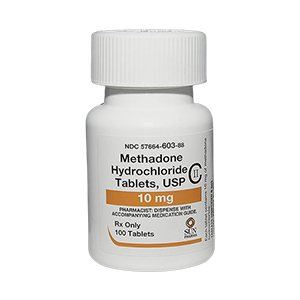
Methadone is a long-acting opioid agonist that helps manage withdrawal symptoms and cravings. Typically, patients receive methadone through specialized Opioid Treatment Programs (OTPs). For best results, patients take their medication daily under medical supervision. Notably, methadone has been used for decades with proven effectiveness. As a result, it remains a cornerstone of MAT for many individuals. Nevertheless, treatment must always be under physician supervision.
- Patients undergo a comprehensive medical evaluation before starting treatment.
- Methadone is administered daily at OTPs or through supervised dispensing.
- Dosing is individualized based on patient response and needs.
- Regular monitoring ensures safety and effectiveness.
Importance of Physician Supervision
Physician supervision is critical for safe and effective MAT. For this reason, patients should always consult a qualified healthcare provider before starting treatment. Additionally, regular follow-up appointments allow physicians to monitor for side effects and adjust dosing. Furthermore, physicians help patients transition to other treatment phases when appropriate. Consequently, the patient-provider partnership is essential for successful outcomes.
- Schedule regular follow-up appointments for medication review.
- Report any concerning side effects or changes in health immediately.
- Do not share medications with others.
- Bring all medications to appointments for medication review.
Comprehensive Treatment Approaches
Effective MAT includes counseling and behavioral therapies alongside medication. In addition, these therapies address the psychological, social, and behavioral aspects of addiction. Likewise, combining medication with counseling improves outcomes and reduces relapse risk. Furthermore, treatment should address co-occurring mental health conditions. Consequently, a holistic approach supports long-term recovery.
- Cognitive-Behavioral Therapy (CBT): Helps patients identify and change negative thought patterns.
- Motivational Interviewing: Enhances motivation for change and treatment engagement.
- Contingency Management: Provides incentives for positive behaviors and treatment adherence.
- Family Therapy: Addresses family dynamics and strengthens support systems.
Treatment Options and Recovery Programs
Effective treatment options are available for individuals with opioid use disorder. In addition, treatment should be individualized based on the person’s needs and circumstances. Likewise, recovery is a journey that may include multiple approaches and support systems. Furthermore, ongoing support and aftercare are essential for sustained recovery. Consequently, understanding treatment options empowers individuals and families to seek appropriate help.
- Opioid Treatment Programs (OTPs): Specialized clinics for methadone and buprenorphine treatment.
- Office-Based Opioid Treatment (OBOT): Buprenorphine prescribed by qualified physicians in office settings.
- Inpatient/Residential Treatment: Intensive treatment in a structured environment.
- Outpatient Treatment: Flexible treatment while living at home and attending appointments.
Support Groups and Counseling Services
Support groups and counseling services play a vital role in recovery. For that reason, many individuals benefit from peer support and professional counseling. Additionally, support groups provide community, encouragement, and shared experiences. Furthermore, counseling addresses underlying issues and develops coping strategies. Consequently, combining these resources enhances recovery outcomes.
- Narcotics Anonymous (NA): 12-step support group for individuals with substance use disorders.
- SMART Recovery: Evidence-based support group focused on self-management and recovery training.
- Individual Counseling: One-on-one therapy to address personal challenges and goals.
- Family Counseling: Supports families and loved ones affected by substance use.
Harm Reduction Approaches
Harm reduction is a public health approach that aims to reduce negative consequences of substance use. For this reason, harm reduction strategies are part of comprehensive recovery support. Additionally, these approaches provide education, resources, and support to individuals and communities. Furthermore, harm reduction is not a replacement for treatment but complements recovery efforts. Consequently, it is an important part of addressing substance use.
- Naloxone Access: Overdose reversal medication available without prescription in many states.
- Syringe Services Programs: Provide clean syringes to reduce disease transmission.
- Fentanyl Test Strips: Allow individuals to test substances for fentanyl contamination.
- Education and Outreach: Provide information on safe practices and resources.
📞 Resources for Help and Support
If you or someone you know is struggling with substance use, help is available:
- SAMHSA National Helpline: 1-800-662-HELP (4357) – Free, confidential, 24/7 support.
- National Institute on Drug Abuse: drugabuse.gov – Education and research resources.
- Partnership to End Addiction: drugfree.org – Prevention resources for families.
- Narcotics Anonymous: na.org – Support groups and meetings.
- Find Treatment.gov: findtreatment.gov – Search for treatment options near you.
Frequently Asked Questions
What is Medication-Assisted Treatment (MAT)?
MAT is an evidence-based treatment for opioid use disorder that combines medications with counseling and behavioral therapies. However, treatment should be individualized based on patient needs.
What medications are used in MAT?
FDA-approved medications for MAT include methadone, buprenorphine, and naltrexone. Indeed, the choice of medication depends on patient needs and clinical evaluation.
Where can I find MAT programs in my area?
Contact the SAMHSA National Helpline at 1-800-662-HELP (4357) or visit findtreatment.gov to search for programs in your area. Therefore, help is just a phone call or click away.
How can I support a loved one in recovery?
Offer compassion, encourage treatment engagement, educate yourself about addiction, and connect with support resources. For instance, family support groups can be very helpful.
Medication-Assisted Treatment and recovery resources are essential for addressing opioid use disorder. By understanding treatment options, accessing resources, and supporting those in recovery, we can reduce the impact of addiction. Moreover, education and compassion are key to helping individuals and families heal. Thus, this guide serves as an educational resource for individuals, families, and communities.
Understanding MAT and Its Benefits
MAT combines medications with counseling to address both the physical and psychological aspects of addiction. Specifically, it reduces withdrawal symptoms and drug cravings. For many, this allows them to focus on recovery and rebuild their lives.
Choosing the Right Treatment Approach
- Consult a healthcare provider for a comprehensive evaluation.
- Consider individual needs and treatment goals.
- Explore different medication options and treatment settings.
- Engage in counseling and support services.
Supporting Recovery and Long-Term Wellness
Recovery is a journey that requires ongoing support and commitment. However, with the right treatment and resources, recovery is achievable. Furthermore, building a support network and engaging in community resources strengthens recovery. If you or a loved one is struggling, reach out for help.
Community Resources and Support
Many organizations provide support for individuals and families affected by addiction. Nevertheless, finding the right resources can be challenging. Importantly, the SAMHSA Helpline and other resources are available to help. Additionally, community organizations offer counseling, support groups, and educational programs.
Be the first to review “buy methadone online”
Related products



Opioid Analgesics
Reviews
There are no reviews yet.