
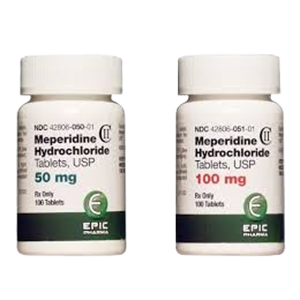


Generic Name for Meperidine – Demerol Clinical Reference Guide
The generic name for meperidine is Demerol, a synthetic opioid analgesic for moderate to severe pain management. In fact, the generic name for meperidine derives from its chemical structure. Furthermore, healthcare professionals use the generic name for meperidine to prescribe and administer this medication accurately. Consequently, this clinical guide provides essential reference information for medical professionals.
Generic Name for Meperidine – Drug Classification and Overview
Generic Name: Meperidine
Brand Name: Demerol
Drug Class: Synthetic opioid analgesic
DEA Schedule: Schedule II controlled substance
Chemical Class: Phenylpiperidine derivative
Meperidine hydrochloride (the generic name for meperidine) is a synthetic opioid that acts as a mu-opioid receptor agonist. Specifically, clinicians use the generic name for meperidine in clinical documentation, prescriptions, and pharmaceutical references. Additionally, knowing the generic name for meperidine helps ensure accurate medication identification and safety. As a result, healthcare professionals rely on this information for proper prescribing.
Pharmacology and Mechanism of Action
Meperidine binds to mu-opioid receptors in the central nervous system. For that reason, it provides effective pain relief for moderate to severe pain. Moreover, the generic name for meperidine has a unique pharmacokinetic profile. However, it has a shorter duration of action than other opioids. Nevertheless, understanding its pharmacology is essential for safe use.
- Mu-opioid receptor agonist: Primary mechanism for analgesia.
- Duration of action: Approximately 2-4 hours.
- Metabolism: Hepatic metabolism to normeperidine.
- Bioavailability: Approximately 50-60% orally.
FDA-Approved Indications
The FDA has approved meperidine for specific clinical indications. Typically, physicians prescribe it for moderate to severe pain when other analgesics are insufficient. For instance, doctors use it for postoperative pain, obstetric pain, and certain chronic pain situations. Additionally, the generic name for meperidine appears in clinical guidelines for pain management. Consequently, understanding its approved uses is essential for appropriate prescribing.
- Postoperative pain: Management of acute surgical pain.
- Obstetric pain: Analgesia during labor and delivery.
- Chronic pain: Treatment of severe chronic pain conditions (limited use).
- Procedural sedation: As part of sedation protocols.
Dosing and Administration Guidelines
Clinicians must individualize meperidine dosing based on patient needs and response. Typically, they prescribe a starting dose of 50-100mg every 3-4 hours for adults. For best results, clinicians should titrate carefully to achieve adequate pain relief while minimizing side effects. Notably, they use the generic name for meperidine in prescribing to ensure accurate dosing. As a result, proper dose selection is essential for safety and efficacy. Nevertheless, always follow the manufacturer’s prescribing information.
- Start with 50-100mg orally or intramuscularly every 3-4 hours.
- Adjust based on patient response and tolerance.
- Do not exceed 600mg daily for oral formulations.
- Monitor for respiratory depression, especially during dose initiation.
- Consider naloxone availability when prescribing.
Safety Profile and Adverse Effects
Understanding meperidine’s side effect profile is essential for safe prescribing. In addition, common side effects include nausea, dizziness, and sedation. Likewise, more serious adverse effects include respiratory depression, seizures, and serotonin syndrome. Furthermore, the generic name for meperidine is associated with a unique metabolite (normeperidine) that can cause neurotoxicity. Consequently, healthcare providers must carefully assess patient history before prescribing.
- Common: Nausea, vomiting, dizziness, sedation, sweating.
- Serious: Respiratory depression, seizures (normeperidine toxicity), serotonin syndrome.
- Contraindications: Known hypersensitivity, MAOI use, severe respiratory depression.
- Pregnancy Risk: Category D – evidence of fetal harm.
Drug Interaction Considerations
Clinicians must consider potential drug interactions when prescribing meperidine. For this reason, they should review all concomitant medications. Additionally, meperidine interacts with CNS depressants, MAO inhibitors, and serotonergic drugs. Furthermore, the generic name for meperidine appears in drug interaction databases. Consequently, careful medication reconciliation is essential.
- CNS Depressants: Alcohol, benzodiazepines, other opioids.
- Serotonergic Drugs: SSRI/SNRI antidepressants, MAO inhibitors.
- Opioid Antagonists: Naloxone may reverse effects.
- CYP3A4 Inhibitors: May increase meperidine levels.
Importance of Physician Supervision
Physician supervision is critical for safe and effective pain management with meperidine. For this reason, patients should never start or adjust their dose without consulting their healthcare provider. Additionally, regular follow-up appointments allow physicians to monitor for side effects and assess pain control. Furthermore, physicians help patients transition to other treatments when appropriate. Consequently, the patient-provider partnership is essential for successful outcomes.
Frequently Asked Questions
What is the generic name for meperidine?
The generic name for meperidine is meperidine hydrochloride, commonly known by the brand name Demerol. However, clinicians use the generic name for meperidine in clinical prescribing and documentation.
What is the generic name for meperidine used for?
Healthcare professionals use the generic name for meperidine to identify this opioid for moderate to severe pain management. Indeed, physicians prescribe it for postoperative, obstetric, and certain chronic pain conditions.
Is the generic name for meperidine available generically?
Yes, meperidine is available as a generic medication. Therefore, pharmacies and healthcare providers use the generic name for meperidine.
What should healthcare professionals know about the generic name for meperidine?
Healthcare professionals should know that the generic name for meperidine has a unique safety profile, including normeperidine toxicity risk. Therefore, careful patient selection and monitoring are essential.
Healthcare professionals must understand the clinical significance of meperidine. The generic name for meperidine identifies this opioid analgesic with specific pharmacological properties and safety considerations. Moreover, accurate prescribing and monitoring are essential for patient safety. Thus, this overview serves as an educational resource for medical professionals only.
Understanding Meperidine’s Pharmacology
Meperidine is a synthetic opioid with a specific receptor profile. Specifically, its mu-opioid agonism provides analgesia while its metabolite normeperidine can cause neurotoxicity. For many, understanding this distinguishes it from other opioids.
Clinical Applications and Patient Selection
- Moderate to severe pain requiring opioid therapy.
- Short-term use preferred due to metabolite concerns.
- Careful patient selection is essential to avoid neurotoxicity.
Safety and Monitoring
Clinicians must monitor for respiratory depression, especially during dose initiation. However, the risk of normeperidine toxicity is a unique concern. Furthermore, patients should be counseled on the risks of dependence and misuse. If patients show signs of neurotoxicity, alternative treatments should be considered.
Prescribing Considerations
Meperidine is a Schedule II controlled substance. Nevertheless, careful documentation and monitoring are essential. Importantly, physicians should assess patients for substance use history. Additionally, consider patient counseling on proper use and disposal.





Reviews
There are no reviews yet.