

Pentazocine – Clinical Overview, Pharmacology, and Safety Information
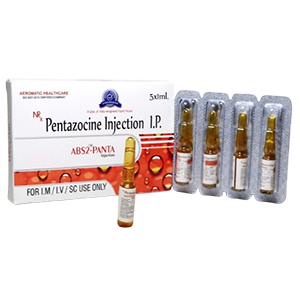
Pentazocine is a mixed agonist-antagonist opioid analgesic used for the management of moderate to severe pain. In fact, it belongs to the benzomorphan class of opioids and acts at multiple receptor sites. Furthermore, clinicians prescribe pentazocine for patients who may benefit from its unique pharmacological profile. Consequently, understanding this medication is essential for healthcare professionals.
Clinical Description and Drug Classification
Drug Class: Mixed agonist-antagonist opioid analgesic
Chemical Class: Benzomorphan derivative
DEA Schedule: Schedule IV controlled substance
Half-Life: 2-3 hours
Mechanism: Partial mu agonist / Kappa agonist
Pentazocine acts as a kappa opioid receptor agonist and a partial mu opioid receptor agonist. Specifically, it provides analgesia through kappa receptor activation. Additionally, its partial mu agonism offers pain relief with a lower potential for respiratory depression compared to full mu agonists. As a result, it has a unique safety profile among opioid analgesics.
Pharmacology and Mechanism of Action
The pharmacology of pentazocine involves multiple receptor interactions. For that reason, its analgesic effects result primarily from kappa receptor activation. Moreover, the partial mu agonism provides additional pain relief while limiting some side effects. However, this mixed activity can also produce dysphoric effects. Nevertheless, proper dosing and patient selection minimize these issues.
- Kappa Agonist: Primary mechanism for analgesia.
- Mu Partial Agonist: Contributes to pain relief with ceiling effect.
- Limited Respiratory Depression: Less respiratory depression than morphine.
- Oral Bioavailability: Approximately 20-30% for oral formulations.
FDA-Approved Indications
The FDA has approved pentazocine for specific clinical indications. Typically, physicians prescribe it for moderate to severe pain management. For instance, it is used in postoperative pain, chronic pain, and certain cancer pain situations. Additionally, it may be appropriate when patients cannot tolerate full opioid agonists. Consequently, careful patient selection is critical for optimal outcomes.
- Postoperative pain: Management of acute surgical pain.
- Chronic pain: Treatment of severe chronic pain conditions.
- Cancer pain: Pain management in oncology patients.
- Obstetric pain: Analgesia during labor and delivery.
Dosing and Administration Guidelines
Dosing of pentazocine must be individualized based on patient needs and response. Typically, the starting dose for adults is 50mg every 3-4 hours. For best results, clinicians should titrate carefully to achieve adequate pain relief while minimizing side effects. Notably, patients who are opioid-naïve require lower starting doses. As a result, proper dose selection is essential for safety and efficacy. Nevertheless, always follow the manufacturer’s prescribing information.
- Start with 50mg orally every 3-4 hours as needed for pain.
- Adjust based on patient response and tolerance.
- Do not exceed 400mg daily for oral formulations.
- Monitor for respiratory depression, especially during dose initiation.
- Consider naloxone availability when prescribing.
Safety Profile and Adverse Effects
Understanding the side effect profile is essential for safe prescribing. In addition, common side effects include nausea, dizziness, and sedation. Likewise, more serious adverse effects include respiratory depression, hallucinations, and dysphoria. Furthermore, pentazocine’s mixed agonist-antagonist activity can precipitate withdrawal in patients taking full mu opioids. Consequently, healthcare providers must carefully assess patient history before prescribing.
- Common: Nausea, vomiting, dizziness, sedation, sweating.
- Serious: Respiratory depression, hallucinations, dysphoria, seizures.
- Withdrawal: Can precipitate withdrawal in opioid-dependent patients.
- Contraindications: Known hypersensitivity, acute respiratory depression, concurrent MAOI use.
Drug Interaction Considerations
Clinicians must consider potential drug interactions when prescribing pentazocine. For this reason, they should review all concomitant medications. Additionally, pentazocine may interact with CNS depressants, MAO inhibitors, and serotonergic drugs. Furthermore, patients taking other opioids may experience withdrawal symptoms. Consequently, careful medication reconciliation is essential.
- CNS Depressants: Alcohol, benzodiazepines, other opioids.
- Serotonergic Drugs: SSRI/SNRI antidepressants, MAO inhibitors.
- Opioid Antagonists: Naloxone may reverse effects.
Importance of Physician Supervision
Physician supervision is critical for safe and effective pain management with pentazocine. For this reason, patients should never start or adjust their dose without consulting their healthcare provider. Additionally, regular follow-up appointments allow physicians to monitor for side effects and assess pain control. Furthermore, physicians help patients transition to other treatments when appropriate. Consequently, the patient-provider partnership is essential for successful outcomes.
📞 Resources for Help and Support
If you or someone you know is struggling with substance use, help is available:
- SAMHSA National Helpline: 1-800-662-HELP (4357) – Free, confidential, 24/7 support.
- National Institute on Drug Abuse: drugabuse.gov – Education and research resources.
- American Society of Addiction Medicine: asam.org – Find addiction specialists.
- Narcotics Anonymous: na.org – Support groups and meetings.
Frequently Asked Questions
What is pentazocine and what is it used for?
Pentazocine is a mixed agonist-antagonist opioid analgesic used for moderate to severe pain management. However, it should only be used under close medical supervision.
What makes pentazocine different from other opioids?
Pentazocine has a unique mechanism as a kappa agonist and partial mu agonist. Indeed, this profile provides analgesia with potentially less respiratory depression than full mu agonists.
Is pentazocine addictive?
Yes, pentazocine has abuse potential and is classified as a Schedule IV controlled substance. Therefore, it should be prescribed with caution and monitored regularly.
What should patients know before taking pentazocine?
Patients should understand the risks of dependence, respiratory depression, and drug interactions. For instance, they should avoid alcohol and other CNS depressants while taking this medication.
Healthcare professionals must approach pentazocine prescribing with careful consideration. This medication has legitimate clinical applications but requires thorough patient assessment and monitoring. Moreover, understanding its unique pharmacology, safety profile, and potential for misuse is essential. Thus, this overview serves as an educational resource for medical professionals only.
Understanding Pentazocine’s Unique Mechanism
Pentazocine’s mixed agonist-antagonist action sets it apart from traditional opioids. Specifically, its kappa agonism provides analgesia while its partial mu agonism limits respiratory depression. For many, this offers a different risk-benefit profile.
Clinical Applications and Patient Selection
- Moderate to severe pain requiring opioid therapy.
- Patients who may benefit from reduced respiratory depression risk.
- Careful patient selection is essential to avoid withdrawal in opioid-dependent patients.
Safety and Monitoring
Clinicians must monitor for respiratory depression, especially during dose initiation. However, the ceiling effect on respiratory depression is an advantage. Furthermore, patients should be counseled on the risks of dependence and misuse. If patients show signs of withdrawal, alternative treatments should be considered.
Prescribing Considerations
Pentazocine is a Schedule IV controlled substance. Nevertheless, careful documentation and monitoring are essential. Importantly, physicians should assess patients for substance use history. Additionally, consider patient counseling on proper use and disposal.
Frequently Asked Questions
Be the first to review “Pentazocine 30mg”
Related products

Opioid Analgesics




Reviews
There are no reviews yet.