
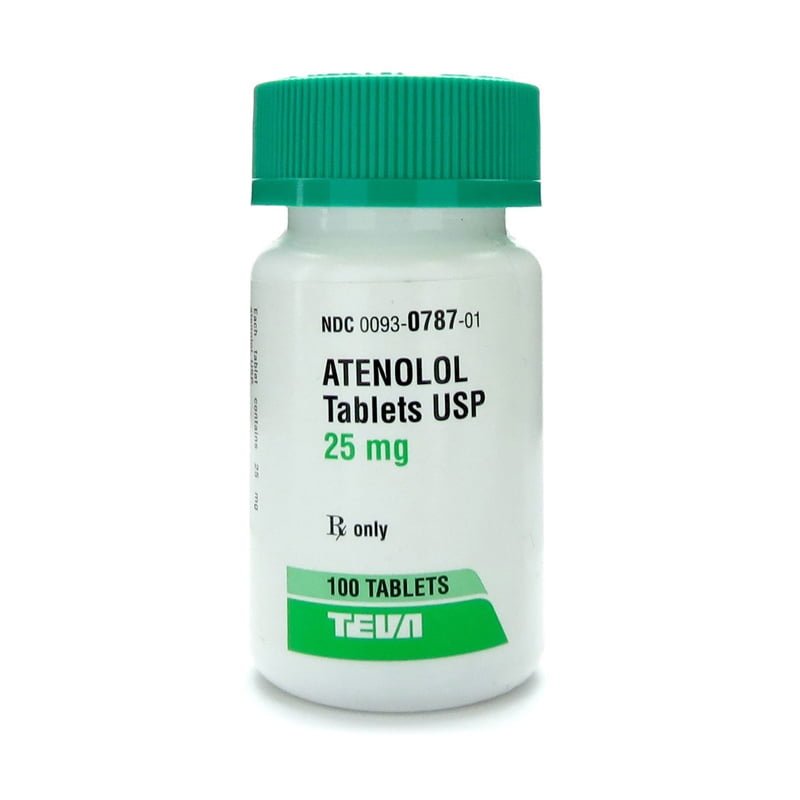
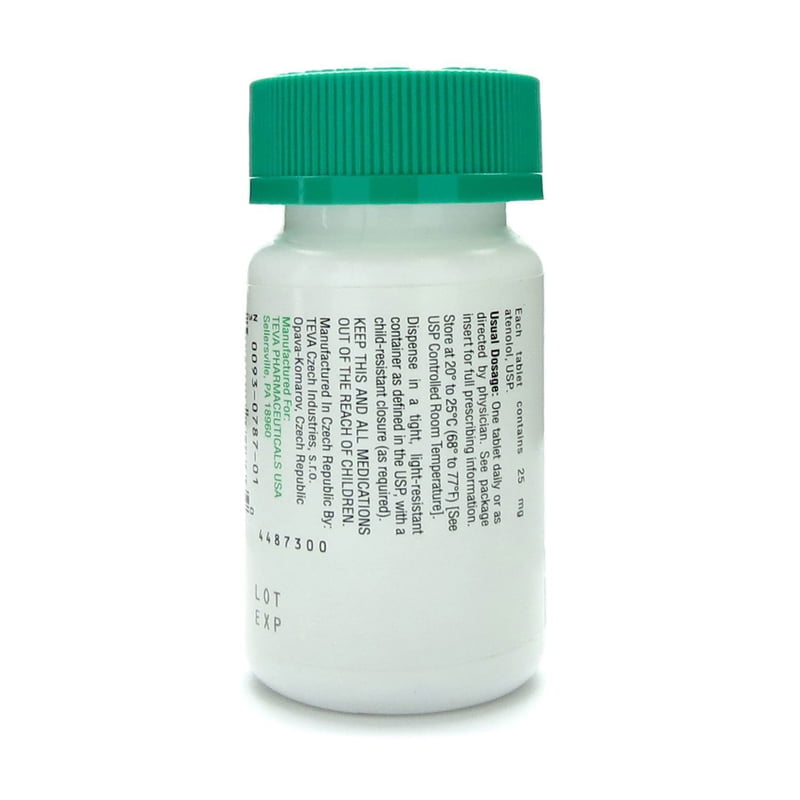
Atenolol 25mg – Educational Overview of This Beta-Blocker Medication
What Is Atenolol 25mg?
First of all, Atenolol belongs to a class of medications known as beta-blockers. For instance, it works by blocking the effects of certain natural chemicals in the body, such as epinephrine, on the heart and blood vessels. Consequently, this helps to lower heart rate, reduce blood pressure, and decrease the workload on the heart.
Key Facts About Atenolol 25mg
- Drug Class: Beta-blocker (cardioselective)
- Common Strengths: 25mg, 50mg, 100mg
- Administration: Oral tablet, taken once daily
- Prescription Required: Yes
- FDA Approved: Yes
As a result, Atenolol 25mg is commonly prescribed for conditions like hypertension (high blood pressure), angina (chest pain), and to improve survival after a heart attack. In addition, it may be used off-label for other conditions as determined by your healthcare provider.
How Does Atenolol 25mg Work?
Atenolol works by blocking beta-1 receptors in the heart. Meanwhile, this reduces the heart’s response to stress hormones like adrenaline. Consequently, your heart beats more slowly and with less force, which lowers blood pressure and reduces the heart’s oxygen demand.
Cardioselectivity Explained
Furthermore, because Atenolol is cardioselective (primarily affects the heart), it has fewer side effects on the lungs compared to non-selective beta-blockers. As a result, this makes it a suitable option for many patients with mild respiratory conditions, though caution is still advised.
Benefits of Slower Heart Rate
As a result, this helps prevent angina attacks and reduces the risk of future cardiovascular events. In addition, the reduced workload on the heart can improve overall cardiac function and quality of life for patients with heart conditions.
Common Uses of Atenolol 25mg
Atenolol 25mg is prescribed for several cardiovascular conditions. Here are the primary uses:
Primary Indications
- Hypertension (High Blood Pressure): Helps lower and control blood pressure to reduce the risk of stroke, heart attack, and kidney problems.
- Angina Pectoris: Reduces the frequency and severity of chest pain by decreasing the heart’s oxygen demand.
- Post-Heart Attack: Improves survival rates and reduces the risk of recurrent heart attacks.
Off-Label Uses
- Arrhythmias: Helps manage certain types of irregular heartbeats.
- Migraine Prevention: Sometimes prescribed off-label to help prevent migraine headaches.
- Essential Tremor: May help reduce tremors in some patients.
Typical Dosage Information
The dosage of Atenolol 25mg varies based on individual patient needs and the condition being treated. Generally, treatment starts with a lower dose and may be adjusted by your healthcare provider based on your response and tolerance.
Standard Dosing Guidelines
- Hypertension: Usually 25-50 mg once daily, with adjustments as needed.
- Angina: Typically 50-100 mg once daily.
- Post-Heart Attack: Often started at 50 mg once daily, then increased to 100 mg daily as tolerated.
- Administration: Take with or without food, preferably at the same time each day for consistent blood levels.
Important Dosing Considerations
Furthermore, your healthcare provider may adjust your dose based on your heart rate, blood pressure, and overall response to treatment. Additionally, do not stop taking Atenolol abruptly without consulting your doctor, as this can cause dangerous changes in blood pressure and heart rate.
Important Safety Information
Compare Atenolol 25mg to other blood pressure medications — it has a well-established safety profile, but it’s not suitable for everyone.
Precautions and Contraindications
- Medical History: Inform your doctor if you have a history of asthma, certain heart conditions, kidney disease, or diabetes.
- Diabetes: Atenolol may mask symptoms of low blood sugar, which is particularly important for patients with diabetes.
- Pregnancy: Use only if clearly needed and prescribed by your doctor.
- Kidney Function: Dose adjustment may be needed for patients with kidney impairment.
Common Side Effects
In other words, while Atenolol is generally well-tolerated, it requires careful monitoring by your healthcare provider. Common side effects may include:
- Fatigue and tiredness
- Cold extremities (hands and feet)
- Slow heart rate (bradycardia)
- Dizziness or lightheadedness
- Shortness of breath (especially in patients with lung conditions)
When to Contact Your Doctor
That said, when used appropriately under medical supervision, Atenolol 25mg can be an effective tool for managing cardiovascular conditions. Contact your healthcare provider if you experience:
- Severe dizziness or fainting
- Very slow heart rate (below 55 beats per minute)
- Shortness of breath or wheezing
- Swelling of the hands, feet, or ankles
- Unusual mood changes or confusion
Safe Use Guidelines
- ✔ Take exactly as prescribed by your healthcare provider.
- ✔ Do not stop abruptly without medical supervision.
- ✔ Report any side effects or changes in your condition to your doctor.
- ✔ Keep all scheduled appointments for monitoring blood pressure and heart function.
Frequently Asked Questions About Atenolol 25mg
Q: What is Atenolol 25mg used for?
A: Atenolol 25mg is used to treat high blood pressure, angina (chest pain), and to improve survival after a heart attack. It may also be used for other conditions as determined by your healthcare provider.
Q: Is Atenolol 25mg safe for daily use?
A: Yes, when prescribed and monitored by a healthcare provider. It is designed for daily, long‑term use as part of a comprehensive treatment plan.
Q: What should I do if I miss a dose?
A: Take it as soon as you remember, unless it’s close to the time for your next dose. Do not double up to make up for a missed dose. Consult your doctor if you have questions.
Q: Can I stop taking Atenolol suddenly?
A: No. Stopping suddenly can cause a dangerous increase in blood pressure and heart rate, potentially leading to a heart attack or stroke. Always follow your doctor’s instructions for discontinuing the medication.
Q: What are the common side effects?
A: Common side effects include fatigue, dizziness, cold hands or feet, and slow heart rate. More serious side effects should be reported to your doctor immediately.
Q: Is this medication available over-the-counter?
A: No. Atenolol is a prescription medication and requires a valid prescription from a licensed healthcare provider.
What Makes Atenolol 25mg Unique?
Atenolol is a cardioselective beta-blocker, meaning it primarily affects the heart rather than other organs. However, it’s important to understand how this medication works compared to other blood pressure treatments. For example, unlike diuretics that reduce fluid volume, Atenolol 25mg works by slowing the heart rate and reducing the force of each heartbeat.
Cardioselectivity Benefits
Consequently, it’s particularly effective for patients who need to reduce the workload on their heart. In addition, its cardioselective nature means fewer side effects on the lungs and airways, making it a suitable option for many patients with mild respiratory conditions.
How Atenolol 25mg Fits Into a Cardiovascular Treatment Plan
Managing hypertension and heart conditions requires a comprehensive approach. Atenolol 25mg is often part of a larger treatment plan that includes lifestyle changes, diet, exercise, and sometimes additional medications.
Combination Therapy Options
For instance, your healthcare provider may recommend combining Atenolol with other blood pressure medications for optimal control. Similarly, regular monitoring of blood pressure, heart rate, and kidney function is essential. Moreover, because the medication is taken once daily, it’s easy to incorporate into your routine.
Long-Term Success Strategies
In fact, many patients find that consistent use helps them maintain stable blood pressure and better heart health. Furthermore, patient adherence to the prescribed regimen is crucial for achieving optimal outcomes.
Frequently Asked Questions?
- Can I use Atenolol 25mg if I have asthma? While Atenolol is cardioselective, it can still affect the lungs in some patients. Always inform your doctor about any respiratory conditions.
- How long does it take for Atenolol to start working? Blood pressure-lowering effects are usually noticeable within a few hours, with maximum effects seen in 1-2 weeks.
- Is Atenolol safe for long‑term use? Yes, when used as prescribed and monitored by a healthcare provider. Regular check-ups are important to ensure continued safety and effectiveness.
- Can I take Atenolol with other medications? Some medications can interact with Atenolol. Always provide a complete list of all medications, supplements, and over-the-counter products to your healthcare provider.
Patient Education and Resources
Patient education is crucial for successful treatment with Atenolol 25mg. Healthcare professionals emphasize the importance of understanding how the medication works, potential side effects, and why adherence to the prescription is essential.
Available Support Resources
In fact, many healthcare providers offer educational materials and counseling to help patients manage their condition effectively. Furthermore, support groups and online resources can provide additional information and community support for those managing hypertension or heart conditions.
Final educational note: If you or a loved one is considering Atenolol 25mg, the most important step is to consult a licensed healthcare provider. Atenolol 25mg is a prescription medication that should only be used under professional medical supervision. In conclusion, while this guide provides valuable educational information, it should never replace personalized medical advice from your doctor or pharmacist.





Reviews
There are no reviews yet.