
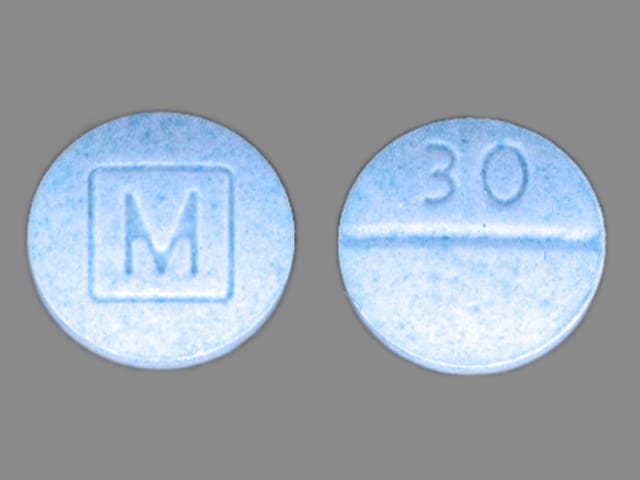
oxycodone hydrochloride vs percocet


Price range: $315.00 through $480.00
Experience powerful pain relief with our Oxycodone Hydrochloride 30mg tablets. As a trusted narcotic analgesic, it effectively manages moderate to severe pain, including post-surgical discomfort. Available in easy-to-swallow tablets, this medication is designed for convenient use. Simply take with water every 4-6 hours as directed, and enjoy discreet, secure delivery with guaranteed tracking.
Oxycodone Hydrochloride vs Percocet – Understanding the Differences
Understanding oxycodone hydrochloride vs Percocet is essential for healthcare professionals and patients managing severe pain. In fact, while both contain oxycodone, they differ significantly in formulation and composition. Furthermore, comparing oxycodone hydrochloride vs Percocet helps clinicians make informed prescribing decisions. Consequently, this clinical overview provides essential education for medical reference purposes.
Oxycodone Hydrochloride vs Percocet – Key Differences
Oxycodone Hydrochloride: Single-ingredient opioid analgesic
Percocet: Combination product containing oxycodone + acetaminophen
Both: Schedule II controlled substances
The primary difference in the oxycodone hydrochloride vs Percocet comparison lies in their composition. Specifically, oxycodone hydrochloride contains only the opioid active ingredient. Additionally, Percocet combines oxycodone with acetaminophen (paracetamol). As a result, the oxycodone hydrochloride vs Percocet decision depends on clinical factors and patient needs.
Oxycodone Hydrochloride vs Percocet – Composition Breakdown
- Single active ingredient
- Oxycodone HCl 5mg, 10mg, 15mg, 20mg, 30mg
- Immediate or extended-release
- No acetaminophen component
- Combination product
- Oxycodone + Acetaminophen
- Typical strengths: 2.5/325mg, 5/325mg, 7.5/325mg, 10/325mg
- Acetaminophen limits total daily dose
Mechanism of Action
Both medications in the oxycodone hydrochloride vs Percocet comparison work through similar opioid mechanisms. Typically, oxycodone binds to mu-opioid receptors in the central nervous system. For that reason, both provide effective pain relief. However, Percocet’s acetaminophen component adds additional analgesic and antipyretic effects. Consequently, the oxycodone hydrochloride vs Percocet choice considers the need for acetaminophen’s benefits.
- Oxycodone: Mu-opioid receptor agonist
- Acetaminophen: Weak COX inhibitor, central analgesic effects
- Synergy: Combination provides enhanced pain relief
Clinical Applications and Indications
The oxycodone hydrochloride vs Percocet comparison shows different clinical applications. For instance, physicians prescribe oxycodone hydrochloride alone when they want to avoid acetaminophen. Moreover, Percocet is appropriate when acetaminophen is well-tolerated. Additionally, the oxycodone hydrochloride vs Percocet decision considers liver function and acetaminophen dose limits. Consequently, careful patient assessment guides prescribing.
- Oxycodone HCl: Severe pain, opioid-tolerant patients, when acetaminophen is contraindicated.
- Percocet: Moderate-to-severe pain where acetaminophen is appropriate.
- Both: Acute pain, post-surgical pain, cancer pain.
Side Effect Profiles
Understanding side effects is crucial in the oxycodone hydrochloride vs Percocet comparison. Typically, common side effects include constipation, nausea, and drowsiness. However, Percocet adds the risk of acetaminophen-related hepatotoxicity. Furthermore, the oxycodone hydrochloride vs Percocet decision considers the patient’s risk factors. As a result, clinicians evaluate liver function and acetaminophen exposure.
- Both: Constipation, nausea, vomiting, sedation, dizziness, respiratory depression.
- Percocet-specific: Hepatotoxicity (acetaminophen-related).
- Oxycodone-specific: No additional acetaminophen risks.
Drug Interaction Considerations
The oxycodone hydrochloride vs Percocet comparison includes important drug interactions. For this reason, clinicians review all patient medications before prescribing. Additionally, both medications interact with CNS depressants, MAO inhibitors, and serotonergic drugs. Furthermore, Percocet’s acetaminophen component interacts with other acetaminophen-containing products. Consequently, careful medication reconciliation is essential.
- Both: CNS depressants, alcohol, benzodiazepines, muscle relaxants.
- Percocet: Other acetaminophen products (dose limits apply).
- Both: Serotonergic drugs, MAO inhibitors.
Dosing and Administration Guidelines
Dosing differs in the oxycodone hydrochloride vs Percocet comparison. Typically, healthcare providers individualize dosing based on pain severity and patient response. For best results, they start with the lowest effective dose. Notably, Percocet dosing is limited by acetaminophen safety (maximum 4,000mg daily). As a result, the oxycodone hydrochloride vs Percocet choice may depend on chronic dosing needs.
- Calculate total daily opioid requirement using equianalgesic conversion.
- Consider acetaminophen daily dose limits for Percocet.
- Monitor for respiratory depression during dose initiation.
- Adjust dosing based on renal and hepatic function.
Patient Education and Safety
Patient education is critical regardless of the oxycodone hydrochloride vs Percocet choice. For this reason, healthcare providers should counsel patients on proper use, storage, and disposal. Additionally, patients should understand the risks of dependence and overdose. Furthermore, they should avoid alcohol and other CNS depressants. Consequently, comprehensive education reduces adverse outcomes.
- Take medication exactly as prescribed.
- Do not share medication with others.
- Store securely and dispose of unused medication properly.
- Avoid alcohol and other sedatives.
- Report any concerning side effects promptly.
Frequently Asked Questions
What is the main difference in oxycodone hydrochloride vs Percocet?
The main difference is that oxycodone hydrochloride is a single-ingredient opioid, while Percocet combines oxycodone with acetaminophen. Therefore, Percocet has additional acetaminophen-related risks.
When should a doctor choose oxycodone hydrochloride vs Percocet?
Clinicians choose oxycodone hydrochloride when they need to avoid acetaminophen. Indeed, Percocet is appropriate when acetaminophen is well-tolerated and the patient requires combination therapy.
Which is stronger in the oxycodone hydrochloride vs Percocet comparison?
Both contain oxycodone, so the opioid strength is equivalent at the same oxycodone dose. For instance, 5mg oxycodone HCl equals 5mg oxycodone in Percocet.
What are the safety considerations for oxycodone hydrochloride vs Percocet?
Both carry opioid risks. However, Percocet also has hepatotoxicity risk from acetaminophen. Therefore, patients must avoid exceeding 4,000mg acetaminophen daily.
Understanding the oxycodone hydrochloride vs Percocet comparison helps healthcare professionals make informed prescribing decisions. Both medications have important roles in pain management. Moreover, patient safety depends on careful selection and monitoring. Thus, this clinical overview serves as an educational resource for medical reference.
Healthcare professionals frequently evaluate the oxycodone hydrochloride vs Percocet question when managing severe pain. To begin with, understanding the clinical differences is essential. Equally important, safety considerations guide appropriate prescribing. Finally, this guide provides practical clinical reference.
Mechanism Comparison
Oxycodone hydrochloride and Percocet share the primary opioid mechanism. Specifically, both provide analgesia through mu-opioid receptor activation. For many, the addition of acetaminophen in Percocet offers synergistic effects.
Clinical Decision-Making
- Assess acetaminophen tolerance and liver function.
- Consider chronic daily dosing needs.
- Evaluate patient’s pain severity and opioid tolerance.
- Monitor for side effects and adjust accordingly.
Safety and Monitoring
Both medications require careful monitoring for respiratory depression. However, Percocet requires additional monitoring for hepatotoxicity. Furthermore, the oxycodone hydrochloride vs Percocet decision should consider patient-specific risks. If patients have liver concerns, oxycodone hydrochloride may be preferred.
Patient Counseling Points
When comparing oxycodone hydrochloride vs Percocet, patient education should address key differences. Nevertheless, both carry addiction and overdose risks. Importantly, patients should understand acetaminophen dose limits for Percocet. Additionally, safe storage and disposal apply to both.
| Select Quantity | 240 Pills, 180 Pills, 123 Pills, 90 Pills |
|---|



Reviews
There are no reviews yet.