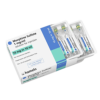
Fentanyl Patch 50 mcg: Your Guide to Transdermal Pain Management
If your doctor has prescribed the fentanyl patch 50 mcg, you are beginning a treatment plan designed for continuous, around-the-clock pain relief. This transdermal system delivers medication steadily through your skin, providing consistent pain control for up to 72 hours. Consequently, the fentanyl patch 50 mcg has become a trusted option for many Americans living with chronic pain. Furthermore, understanding proper application and safety is essential for achieving the best possible outcomes.
What Is the Fentanyl Patch 50 mcg?
The fentanyl patch 50 mcg is a transdermal opioid analgesic that treats moderate to severe chronic pain. Specifically, the patch delivers fentanyl, a potent synthetic opioid, through the skin and into the bloodstream over a 72-hour period. This extended-release system is designed for patients who require continuous pain management rather than intermittent relief. Moreover, the fentanyl patch 50 mcg is typically prescribed for patients who have already developed tolerance to other opioids and need stronger, longer-lasting relief.
Who Can Benefit from the Fentanyl Patch 50 mcg?
The fentanyl patch 50 mcg is typically prescribed for adults who have not found adequate relief with other pain medications. Ideal candidates include those with:
- Chronic back pain or neuropathic pain
- Severe osteoarthritis or degenerative joint conditions
- Cancer-related pain requiring continuous management
- Pain from severe injuries or trauma
- Conditions requiring 24/7 pain control
Additionally, the fentanyl patch 50 mcg is often used as part of a comprehensive pain management plan that may include physical therapy, counseling, and other non-pharmacological approaches.
How to Apply the Fentanyl Patch 50 mcg Safely
Proper application of the fentanyl patch 50 mcg is crucial for both effectiveness and safety. Here are the key guidelines to follow:
- Choose a clean, dry area: Apply the patch to intact, non-irritated skin on your upper chest, back, side, or upper arm. Avoid areas with cuts, burns, or irritation.
- Prepare the skin: Clean the area with plain water and pat it dry. Do not use soaps, oils, or alcohol, as these can affect adhesion.
- Apply the patch: Remove the protective liner and press the patch firmly onto the skin for about 30 seconds to ensure it sticks properly.
- Wash your hands: Always wash your hands thoroughly with soap and water after handling the patch.
- Change on schedule: Replace the patch every 72 hours (3 days) at the same time. Rotate application sites to prevent skin irritation.
Potential Side Effects and How to Manage Them
Like all medications, the fentanyl patch 50 mcg may cause side effects. Common ones include:
- Constipation: This is very common with opioids. Stay hydrated, eat a high-fiber diet, and consider using a stool softener as recommended by your doctor.
- Nausea or vomiting: Taking anti-nausea medication as prescribed can help manage this.
- Drowsiness or dizziness: Avoid driving or operating heavy machinery until you know how the medication affects you.
- Skin reactions: Mild redness or itching at the application site is common. If you experience severe irritation, contact your doctor.
Serious side effects, such as difficulty breathing, severe drowsiness, or signs of an allergic reaction, require immediate medical attention. Therefore, it is crucial to be aware of these risks and contact your healthcare provider if you experience any concerning symptoms.
Important Safety Considerations for the Fentanyl Patch 50 mcg
The fentanyl patch 50 mcg is a Schedule II controlled substance due to its high potential for dependence, abuse, and addiction. Therefore, it is essential to use it only as prescribed and never share it with others. Additionally, inform your doctor about all medications you are taking, as fentanyl can interact with other drugs, including benzodiazepines, muscle relaxants, and other opioids. Furthermore, avoid alcohol while using the fentanyl patch 50 mcg, as it can increase the risk of serious side effects, including respiratory depression.
Value and Long-Term Pain Management
For many patients, the fentanyl patch 50 mcg offers significant value by providing consistent pain relief that allows them to maintain their daily activities and quality of life. When used responsibly as part of a comprehensive pain management plan, it can be a highly effective tool. However, it is important to work closely with your healthcare provider to monitor your response to the medication and make adjustments as needed. Ultimately, the goal is to achieve effective pain control while minimizing risks and side effects.
Frequently Asked Questions About the Fentanyl Patch 50 mcg
Is the fentanyl patch 50 mcg strong?
Yes, the fentanyl patch 50 mcg is a potent opioid and is classified as a Schedule II controlled substance. It is approximately 50 to 100 times more potent than morphine and should be used with extreme caution.
How long does the fentanyl patch 50 mcg take to work?
The patch delivers medication slowly through the skin. Initial pain relief may take 6 to 12 hours to become noticeable, with full effects occurring within 24 to 48 hours.
Can I cut the fentanyl patch 50 mcg in half?
No, you should never cut or damage the patch. Cutting it can cause the medication to release too quickly, leading to a potentially fatal overdose.
Can I shower or swim with the fentanyl patch 50 mcg?
Yes, the patch is designed to be water-resistant. However, avoid soaking in hot water, as heat can increase the absorption rate and cause dangerous side effects.
Is the fentanyl patch 50 mcg addictive?
Yes, the fentanyl patch 50 mcg has a high potential for dependence and addiction, especially with long-term use. Always follow your doctor’s instructions and never exceed the prescribed dose.
Take Control of Your Pain Management Journey
The fentanyl patch 50 mcg can be a powerful tool in managing severe, chronic pain. By understanding how to use it safely and effectively, you can achieve better pain control and improve your quality of life. If you have questions or concerns about the fentanyl patch 50 mcg, speak with your healthcare provider. They are your best resource for personalized advice and guidance on your pain management journey.
Fentanyl Patch 50 mcg: 5 Essential Safety Tips You Must Know
1. Apply the Patch Exactly as Directed
One of the most critical safety tips for the fentanyl patch 50 mcg is to apply it exactly as prescribed. Never apply more than one patch at a time unless specifically directed by your doctor. Additionally, do not change the patch more frequently than every 72 hours, as this can lead to a dangerous buildup of medication. Therefore, it is crucial to follow your healthcare provider’s instructions carefully. If you feel your current dose is not providing adequate relief, discuss this with your doctor rather than adjusting it yourself.
2. Never Cut or Damage the Patch
The fentanyl patch 50 mcg is specifically designed to release medication slowly over time. Cutting, tearing, or damaging the patch destroys this mechanism, causing a dangerous spike in blood levels. This can lead to a potentially fatal overdose. Therefore, always use the patch intact and never attempt to cut it. If the patch becomes damaged, dispose of it properly and apply a new one.
3. Be Aware of Serious Drug Interactions
The fentanyl patch 50 mcg can interact with several medications, potentially leading to life-threatening complications. Specifically, combining it with benzodiazepines, muscle relaxants, or other opioids can cause severe sedation and respiratory depression. Additionally, certain antidepressants and MAO inhibitors can interact with fentanyl. Therefore, provide your doctor with a complete list of all medications and supplements you are taking before starting the fentanyl patch 50 mcg.
4. Avoid Heat Exposure
Heat can significantly increase the absorption of fentanyl from the patch, leading to dangerously high levels of medication. Consequently, avoid exposing the patch to heat sources such as heating pads, electric blankets, hot tubs, or direct sunlight. Furthermore, if you develop a fever, contact your doctor immediately, as this can also increase absorption and lead to overdose.
5. Properly Store and Dispose of Patches
Because the fentanyl patch 50 mcg is a controlled substance with high abuse potential, it is important to store patches securely out of reach of children, pets, and others who might misuse them. Additionally, dispose of used patches properly by folding them in half with the sticky sides together and flushing them down the toilet. This prevents accidental exposure and misuse.
Frequently Asked Questions
Can I use the fentanyl patch 50 mcg if I am pregnant or breastfeeding?
You should only use the fentanyl patch 50 mcg during pregnancy or breastfeeding if your doctor determines that the benefits outweigh the risks. Always discuss this with your healthcare provider.
What should I do if the fentanyl patch 50 mcg falls off?
If the patch falls off, apply a new patch to a different area and continue with your regular schedule. Do not apply a patch to the same site twice in a row.
Can I shower with the fentanyl patch 50 mcg?
Yes, you can shower with the patch. However, avoid soaking in hot water, as heat can increase absorption and lead to dangerous side effects.
What are the signs of a fentanyl patch 50 mcg overdose?
Signs of overdose include extreme drowsiness, confusion, slow or shallow breathing, and loss of consciousness. If you suspect an overdose, call 911 immediately.
Can I take other pain medications with the fentanyl patch 50 mcg?
Combining the fentanyl patch 50 mcg with other pain relievers can increase the risk of side effects. Always consult your doctor before taking any additional medications.
Stay Safe and Informed with the Fentanyl Patch 50 mcg
The fentanyl patch 50 mcg can be an effective tool for managing severe, chronic pain when used responsibly. By following these five safety tips, you can reduce the risk of complications and make the most of your treatment. If you have any questions or concerns about the fentanyl patch 50 mcg, do not hesitate to reach out to your healthcare provider. They are there to help you navigate your pain management journey safely and effectively.



Reviews
There are no reviews yet.